 Mini-Library
A library in every village · Mission Green-Campus
Hello.
Hello.
Books belong
to everyone.
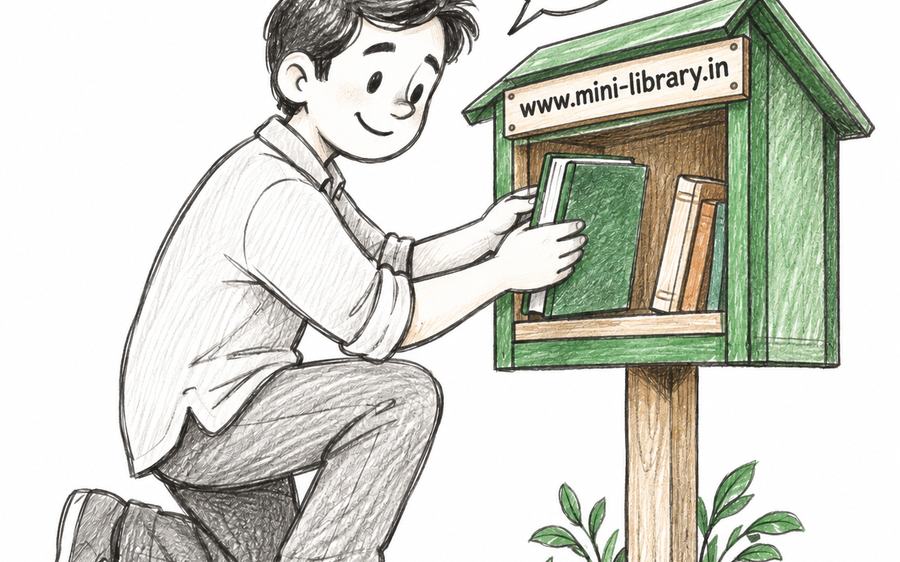
One small rack. One village habit. Give a book, take a book — no fees, no forms.
19books in circulation
6Mini-Libraries
4postal areas
How it works
A 5-step habit that sticks.
03
Borrow freely
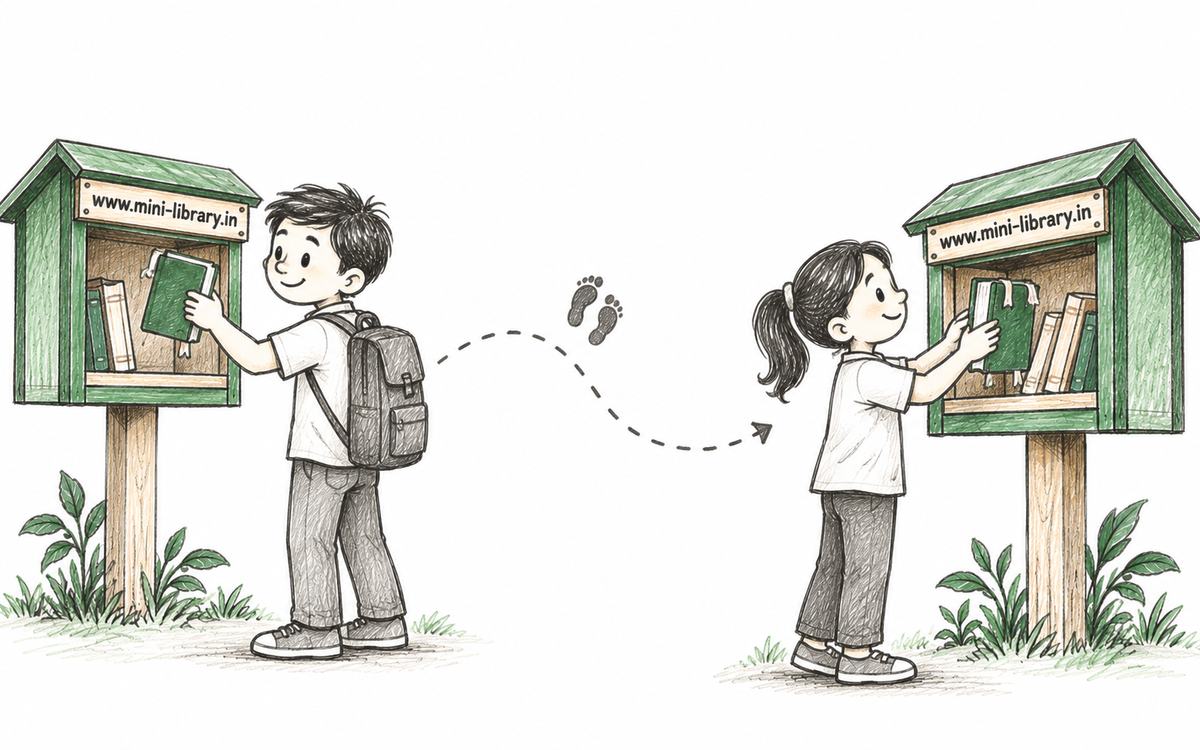
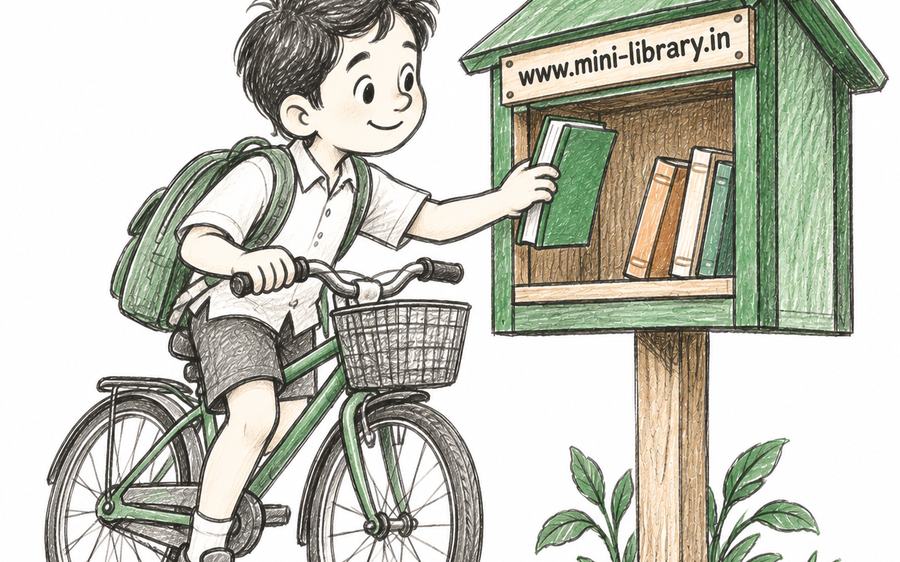
No card, no fee. Return in 7 days to any Mini-Library.
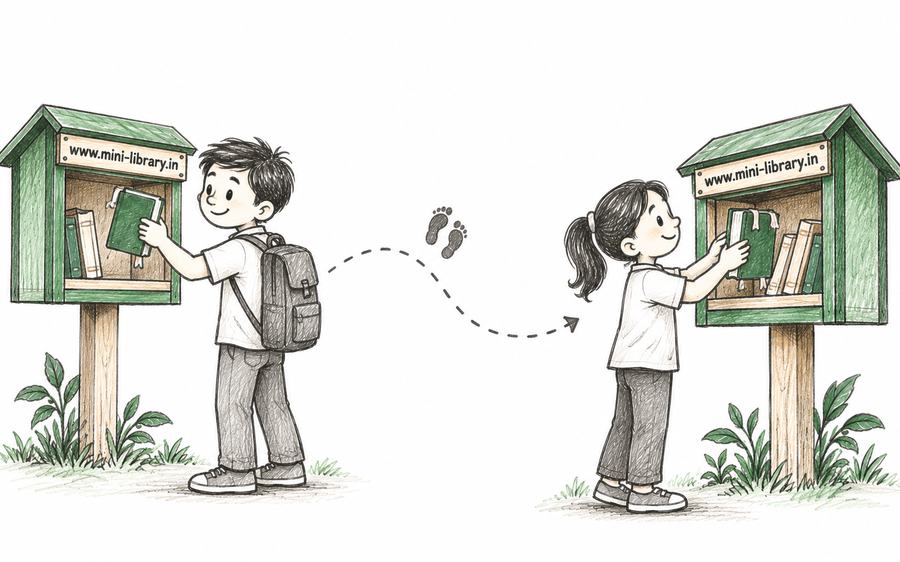
04
Let it travel
Same copy, many villages — fingerprints along the way.
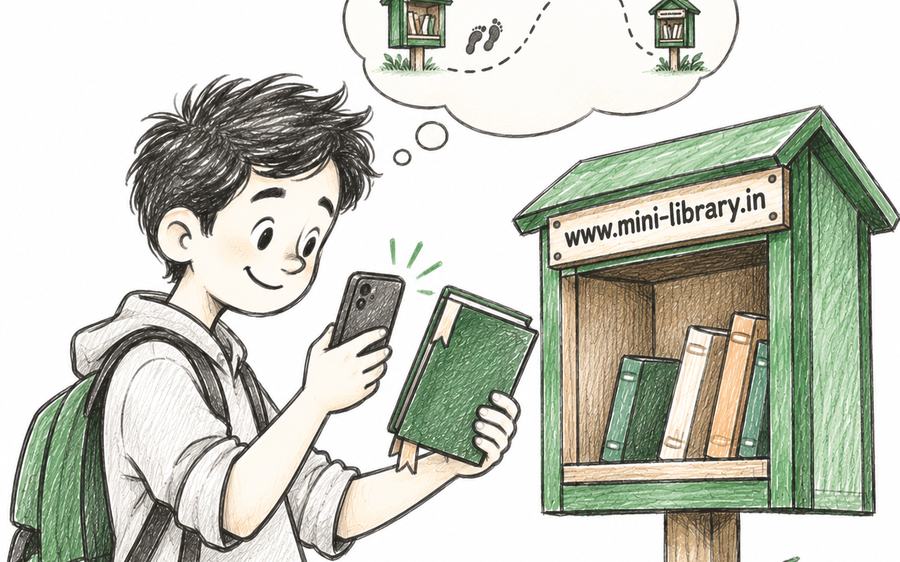
05
Follow its passport
6-char code inside. See every reader before you.
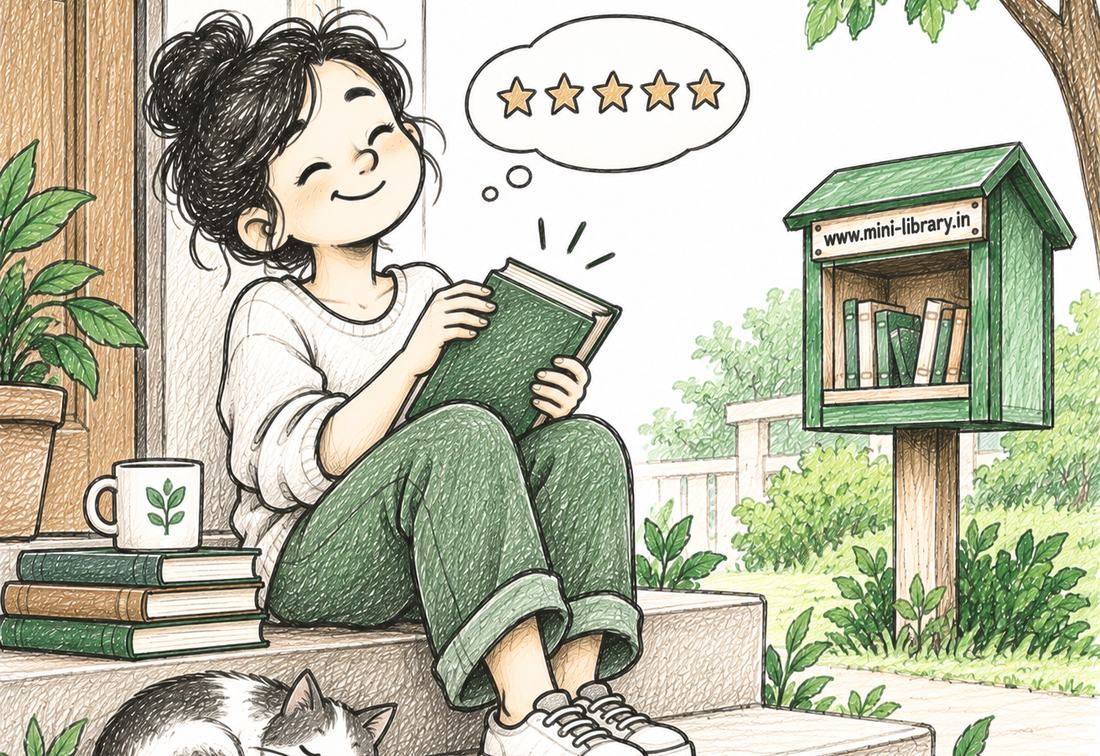
★ IMPORTANT — KEEP THE CYCLE HONEST
After you read
Rate the Book — help the next reader choose.
Your stars travel with the book forever.
Find a book, from anywhere
One library per village — searchable from every village.
Some of this works today; some we are still building. Here is the state of both.
Your districtOr your state. First few letters are enough —
kol finds Kollam.
or by postal code
Your postal codeSix digits. We will show every Mini-Library in that area, even where there are none yet.
Every library has its own address Live
The moment a library is registered it gets a permanent web address, so anyone can bookmark, share or print the exact link. A visual map is next.
See where your donated book is now Live
Every copy carries a code. Enter it any time to see which library it is sitting in today and how far it has travelled.
Search any library from anywhere Coming soon
Look up what is on the rack ten streets away, or ten districts away, before you travel there.
Ask for a book you cannot find Coming soon
Add a title to a want-list so the next matching donation can be pointed your way.
One Library Per Village
Turn one good idea into a local habit.
Schools, colleges, panchayats, shops and apartment gates — if people pass by, a library can live there.
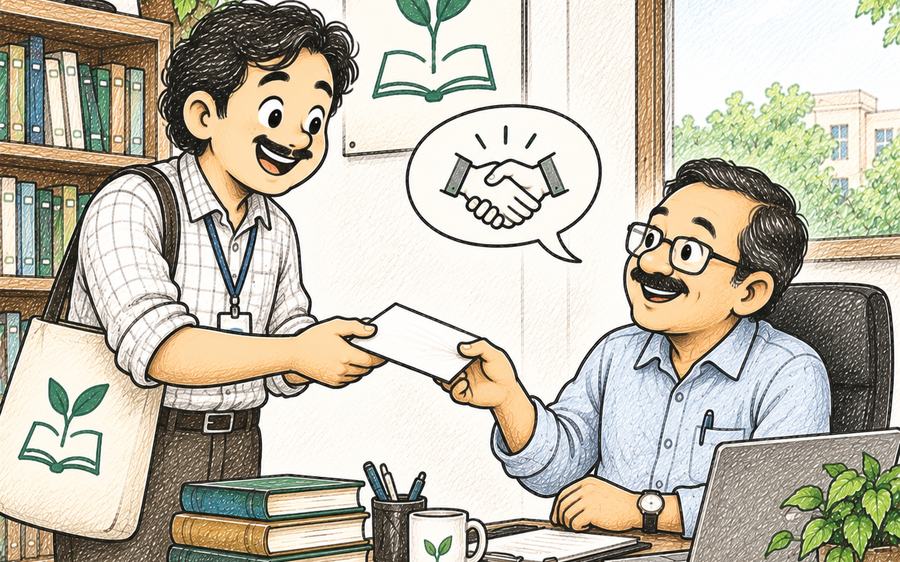
Become an ambassador
One conversation can plant the next 50 libraries.
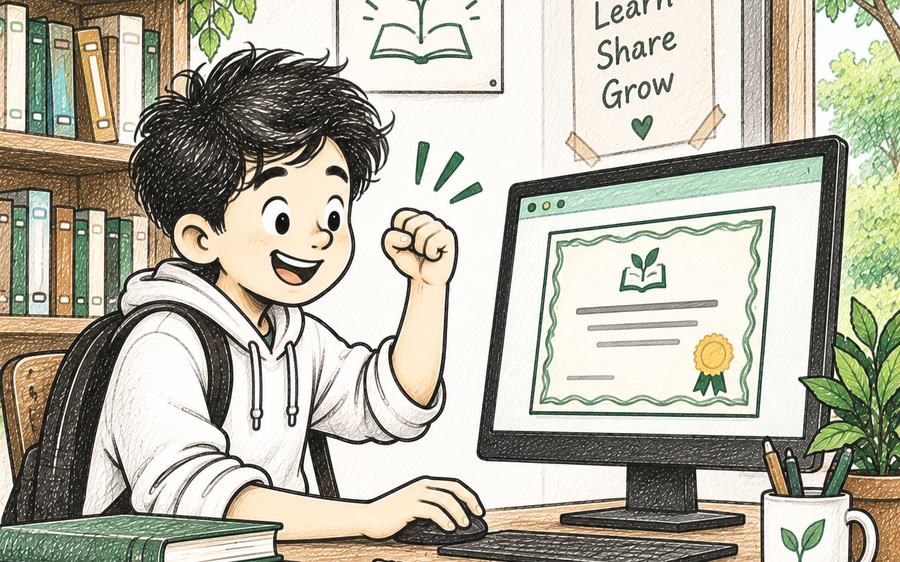
Recognise participation
Downloadable certificates for Captains and Ambassadors.
Have a book in your hand?
Enter the code inside the front cover.
Mini-Library · A library in every village
Free to borrow. Free to join. Free to open.
Our story in 60 secondsWatch on YouTube ↗